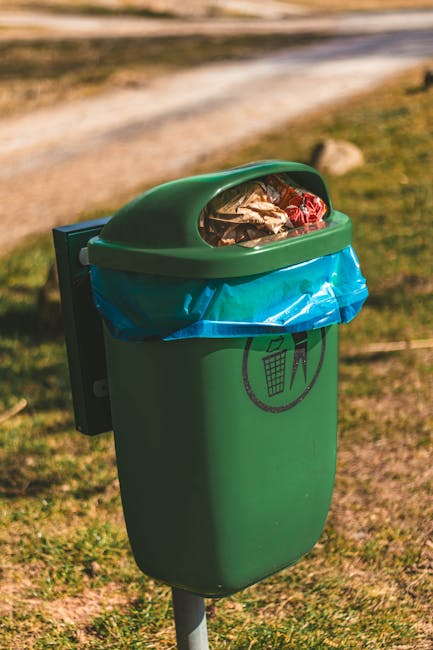
Havering Council garden waste rules for Ardleigh Green residents
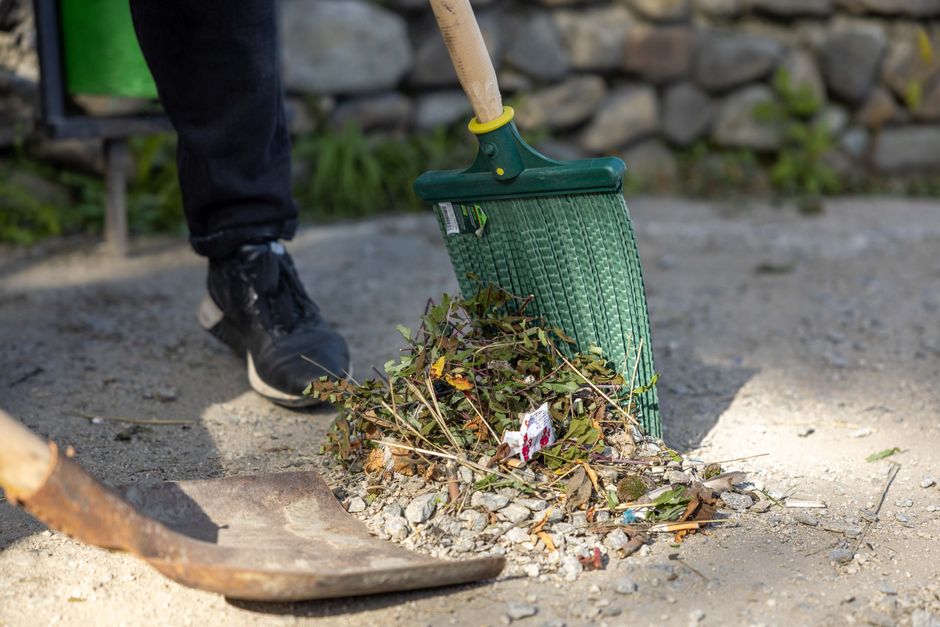
If you live in Ardleigh Green and your garden seems to produce cuttings faster than you can sweep them up, you are not alone. Lawn clippings, hedge trimmings, leaves, and prunings can build up quickly, especially after a windy week or a proper growing spell. Understanding the Havering Council garden waste rules for Ardleigh Green residents helps you stay compliant, avoid messy mistakes, and keep your outdoor space under control without turning collection day into a guessing game.
This guide breaks the rules down in plain English. You will find what garden waste usually includes, what should stay out of the bin, how to prepare your green waste for collection, and the practical habits that make everything easier. We will also cover common pitfalls, useful comparisons, and a realistic example from an everyday Ardleigh Green garden. Nothing fluffy. Just the stuff you actually need.
Why Havering Council garden waste rules for Ardleigh Green residents Matters
Garden waste may seem harmless, but councils treat it differently from general rubbish for good reason. It is bulky, seasonal, and much easier to recycle or compost when it is kept clean and separate. For Ardleigh Green residents, the practical side matters too: if your waste is prepared badly, it can be left behind, contaminated, or cause unnecessary delays.
To be fair, most people do not think about collection rules until the wheelie bin is already overflowing and the lawn has just been cut. That is usually when the misunderstandings begin. Some residents assume all organic material can go together. Others mix soil, plant pots, or food scraps in with garden trimmings and then wonder why things go wrong. A little clarity now saves a lot of hassle later.
This matters even more if you use a gardener or maintain a larger plot. Services such as garden maintenance and lawn care often generate regular green waste, so knowing what belongs in the garden waste stream helps keep work efficient and tidy. And yes, it also stops that awkward moment when a bag of clippings sits by the fence for three days because nobody was quite sure what to do with it.
There is also a wider environmental point. When garden waste is sorted correctly, it is far easier to reuse in composting or recycling systems rather than being sent in the wrong direction. Small habit, decent impact. That is the sort of quiet improvement most householders can get behind.
How Havering Council garden waste rules for Ardleigh Green residents Works
The basic idea is simple: garden waste should be presented in the way your local collection system expects, and it should only contain acceptable organic garden material. In practice, that means paying attention to what you put in, how you present it, and when it is put out. A clean, consistent routine is always easier than improvising on the morning of collection.
In most local authority systems, garden waste collections focus on plant-based material such as grass cuttings, hedge trimmings, small branches, weeds, leaves, and similar green waste. The exact details can change, so if you are unsure about a specific item, it is wiser to pause and check than to assume. Mixed waste is where people get caught out most often.
A lot of residents in Ardleigh Green also juggle different garden tasks in the same weekend: hedge cutting on Saturday, patio tidying on Sunday, then suddenly there is a pile of debris from three different jobs. If you are tackling bigger jobs, a service like hedge trimming in Ardleigh Green or even tree surgery can create more material than one household bin can comfortably handle. Planning the waste side first makes the job feel a lot less chaotic.
Here is the practical rule of thumb: keep garden waste clean, free from contamination, and easy to collect. That may sound obvious, but in real life it means no half-hidden plant pots, no household rubbish tucked at the bottom of bags, and no heavy soil lumps where they do not belong. If it would make a collection operative sigh, it probably needs sorting out.
What usually counts as garden waste
- Grass cuttings
- Leaves
- Weeds
- Hedge trimmings
- Small branches and twigs, if accepted by the collection method being used
- Dead plants and flowers
- Light pruning debris
What usually causes problems
- Soil, rubble, stones, or turf with heavy soil attached
- Plastic plant pots, labels, and ties
- Food waste
- General household rubbish
- Large tree trunks or oversized woody material
- Any invasive material that needs special handling
One useful way to think about it is this: if it looks and behaves more like garden residue than garden material, it is probably not suitable. Slightly crude, maybe, but it works.
Key Benefits and Practical Advantages
Following the right garden waste rules is not just about avoiding problems. It actually makes garden life easier. The first benefit is obvious: fewer collection issues. But there is a second benefit that people notice after a while, and that is reduced clutter. When waste is sorted well, your shed, side return, and bin area stop looking like a mini depot after every pruning session.
There is also a time-saving angle. If you already know what goes where, you do not waste ten minutes at the end of the day arguing with yourself over whether that pile of ivy roots counts as garden waste or not. A surprising amount of gardening stress comes from uncertain disposal, not from the gardening itself.
For homeowners who care about presentation, the difference is even more noticeable. A neat garden is not just about clipped edges and fresh turf. It is about what happens to the mess after the work is done. That is why tidy disposal sits naturally alongside services such as lawn mowing and patio cleaning. Clean work in, clean finish out.
And there is peace of mind. Once you understand the routine, you can manage spring flushes, autumn leaf fall, and those random windy days without feeling as though the garden is winning. Truth be told, that feeling matters more than people admit.
Expert summary: The easiest way to manage garden waste in Ardleigh Green is to separate organic trimmings from everything else, keep materials clean, and build a repeatable routine for collection or disposal.
Who This Is For and When It Makes Sense
This guidance is useful for almost anyone with outdoor space in Ardleigh Green, but some households will feel the impact more strongly than others.
- Homeowners with regular lawn and hedge maintenance - especially if you cut grass often or trim back fast-growing shrubs.
- People with larger gardens - because waste builds up fast, and one small bin can suddenly feel comically inadequate.
- Busy families - the kind who do gardening in short bursts between school runs, work, and the odd cup of tea.
- Older residents - who may prefer a clear, low-effort method rather than hauling awkward bags around.
- Anyone using professional help - whether for gardening services, landscaping, or a one-off garden tidy-up.
It also makes sense if you are planning a seasonal clear-out. After winter, there is often a mix of dead stems, storm debris, and tired-looking beds. In late summer and autumn, it is usually leaves, hedge cuttings, and bits from rearranged borders. If that sounds familiar, you are the exact person this article was written for.
A small but important point: if you have invasive plants like ivy, disposal may need extra care. For example, guidance on getting rid of ivy properly can help you avoid spreading fragments around the garden again. Ivy has a knack for coming back when you think the job is done. Sneaky stuff.
Step-by-Step Guidance
If you want the simplest path, use this sequence each time you deal with garden waste. It keeps the process calm, predictable, and less likely to go wrong.
- Sort the waste at source. Keep grass, leaves, prunings, and woody material separate from household rubbish and recyclables.
- Remove contamination. Pull out plant pots, plastic ties, labels, broken tools, stones, and any other non-garden items.
- Check the size and weight. Very heavy bags or oversized branches are where collection issues often start.
- Use the right containers or bundling method. Follow whatever presentation method applies in your area or collection setup.
- Keep materials dry if possible. Wet grass clippings become heavy fast, and nobody enjoys dragging a sack that feels full of soup.
- Put waste out at the correct time. Early enough to avoid missing the collection, but not so early that it becomes a mess overnight.
- Follow up after collection. If anything is left behind, check whether it was contaminated, overfilled, or unsuitable.
If you are dealing with a bigger cut-back, break the work into sections. Do not trim the whole garden in one dramatic burst unless you are genuinely ready for the aftermath. A little discipline helps. A lot, actually.
For people who garden in smaller spaces, methods such as successful container gardening or vertical gardening can also reduce the amount of waste generated in the first place. Less planting sprawl usually means less end-of-week clearing.
Expert Tips for Better Results
Here is where experience starts to save you effort. The first tip is to make your garden waste routine seasonal. In spring, you will likely deal with growth surges, while autumn brings leaves and cutbacks. If you handle these periods in the same way every year, your collection routine becomes almost automatic.
Second, keep a dedicated corner for temporary garden waste staging. A sheltered spot near the back gate or bin area is ideal. It does not need to be fancy. Just sensible. That way, bags do not wander across the lawn or sit in the rain getting heavier by the hour.
Third, think about what your garden design produces. For example, a neat lawn and simple borders usually create a different waste pattern from a hedge-heavy or climber-rich garden. If you have fast-growing screening plants, your trimming load may be more regular. If you need ideas for dense boundaries, the guide on fast-growing hedges for privacy is useful, but do remember that quicker growth often means more cuttings later.
Another good habit: chop longer stems down before collecting them. Smaller pieces stack better, are easier to handle, and tend to fit the system more neatly. It sounds minor, but minor things are what keep the whole process from becoming irritating.
And one slightly underrated tip - keep gloves, shears, a rake, and a few spare sacks or containers together in one place. For a helpful overview of practical kit, see tools and supplies that make gardening easier. If the tools are easy to grab, you are more likely to sort waste properly before it spreads everywhere. Simple psychology, really.
Common Mistakes to Avoid
Most waste issues come from a small set of repeated mistakes. The good news is that they are easy to avoid once you know them.
- Mixing in soil and rubble. Heavy material is one of the quickest ways to cause a problem.
- Including plastic or metal garden items. A plant pot is not a leaf, even if it has been sitting in the border for six months.
- Overfilling bags or containers. If you need two hands and a prayer to move it, it is probably too much.
- Leaving waste loose and scattered. Windy Ardleigh Green mornings do not help here.
- Ignoring invasive plant fragments. Some cuttings deserve a bit more caution than general green waste.
- Assuming every council collection works the same way. This is where confusion creeps in most often.
One common real-world mistake is trimming a hedge, bagging the clippings, and then adding the contents from a swept-up path because "it is all from the garden anyway." That is exactly the sort of mix that causes trouble. The waste may all be outdoor material, but it is not all suitable garden waste.
Another one is underestimating how much waste a tidy-up creates. A border refresh can look like a one-hour job, then by 4 p.m. there is a heap of cuttings, a couple of broken canes, and a surprising amount of moss. It happens. Best not to pretend otherwise.
Tools, Resources and Recommendations
You do not need specialist equipment to manage garden waste well, but a few practical tools make the job smoother. A sturdy rake, bypass secateurs, loppers for thicker stems, heavy-duty gloves, and reusable sacks or bins are enough for most domestic gardens. If you are doing frequent tidy-ups, a wheelbarrow or garden trolley can save your back more than you would expect.
For larger clearances, it may also help to plan the work around the rest of your garden tasks. If you are already improving beds, reworking borders, or upgrading a tired layout, you may want to look at ideas for revamping a neglected garden before you start. Better planning means less waste handled twice.
Some practical situations benefit from specialist help rather than a DIY haul to the kerb. For example:
- Large quantities of hedge trimmings after heavy pruning
- Woody waste from tree work
- Full garden clearances after a long period of neglect
- Waste generated during landscaping or fencing projects
For those jobs, it can be useful to compare your approach with broader site management services such as landscaping, tree surgery, and fencing. Different projects create different waste streams, and it is easier to manage them properly if you know that from the start.
If you want to speak to someone about a practical garden clearance or maintenance plan, you can always start with the contact page and ask what makes sense for your situation. Sometimes a quick conversation is all it takes to stop a small problem turning into a full Saturday collapse.
Law, Compliance, Standards, or Best Practice
For garden waste, the safest mindset is to follow local collection instructions closely and treat them as operational rules rather than vague suggestions. In the UK, councils set their own service arrangements for household waste streams, and garden waste is commonly managed separately from general rubbish. That means the precise rules can differ by area, service type, or collection method.
Best practice is therefore straightforward: keep your waste clean, present it as instructed, and do not mix in materials that do not belong. If a council expects a certain container, a specific collection day, or a controlled weight/size, it is worth following that carefully. This is one of those areas where "close enough" is not actually close enough.
There is also a duty of care angle in everyday terms. If you generate waste, you are responsible for making sure it is handled properly. That does not mean you need to be a legal expert. It just means being sensible with sorting, storage, and disposal. Common sense still counts for a lot here.
If you outsource the work, it helps to use a provider with clear policies on safety, payments, and service terms. Those pages are not exciting reading, let's face it, but they do matter. You can review health and safety information, terms and conditions, and payment and security details if you are arranging help for larger jobs.
For householders who prefer a clear view of how a company handles complaints, privacy, or broader responsibility, the site also includes complaints information, a privacy policy, cookie policy, and a modern slavery statement. Not glamorous, admittedly, but these pages help build trust.
Options, Methods, or Comparison Table
There is no single right way to manage garden waste. The best method depends on how much you generate, how often you garden, and how much time you want to spend dealing with it. Here is a simple comparison to help you choose.
| Method | Best for | Pros | Watch-outs |
|---|---|---|---|
| Kerbside-style collection preparation | Routine household garden waste | Convenient, familiar, low effort once routine is set | Needs clean sorting and correct presentation |
| On-site composting | Leaves, soft cuttings, some plant matter | Reduces waste, useful for the garden, environmentally tidy | Not suitable for everything, and it needs space |
| Bagging for specialist removal | Heavy clearances, bulky trimmings, major tidy-ups | Good for one-off big jobs, flexible | Can become bulky and laborious if overused |
| Professional garden clearance support | Large or awkward jobs | Saves time, helps with heavy waste, less physical strain | Costs more than doing it yourself |
If you enjoy gardening regularly, composting can be a brilliant companion to collection rules. If you are more of a weekend gardener or you have a lot of woody material, a combination of careful sorting and periodic clearance is usually more realistic. That is the honest answer, really.
For some gardens, low-maintenance planting can also reduce the waste burden in the long run. Useful reading includes low-maintenance garden ideas, ground cover plants for UK gardens, and herb garden ideas. The right planting choices can quietly cut down on future clippings. Nice little bonus, that.
Case Study or Real-World Example
Picture a typical Ardleigh Green garden after a damp, windy weekend in early autumn. The lawn has been mown, the hedge has been given a tidy-up, and the borders are full of spent stems and fallen leaves. Nothing dramatic, just the usual seasonal mess. The problem is that it is all mixed together in one growing pile near the garage.
The homeowner starts by separating the material into three groups: soft green cuttings, woody trimmings, and non-garden bits such as broken plant labels and a cracked pot. The soft waste is placed where it belongs, the woody waste is cut down to manageable sizes, and the debris is swept away from the path so it does not blow around. No heroic effort. Just a sensible routine.
Then the person pauses before adding soil-heavy root balls to the bag. Good move. Those are left out for a different disposal route instead of being bundled into the main garden waste. The result is simple: the collection goes more smoothly, the garden looks tidy again, and the household avoids the classic "why has this been left behind?" conversation.
This kind of example is common because the issue is rarely the amount of garden waste itself. It is the mixed-up handling of it. Once you separate materials properly, most of the stress disappears. Not all of it, obviously. Gardening still has its moments. But most of it.
Practical Checklist
Use this checklist before you put any garden waste out for collection or move it to another disposal method.
- Have I removed plastic, metal, glass, and household rubbish?
- Have I kept soil, rubble, and stones separate?
- Are the trimmings suitable for the collection method I am using?
- Have I cut oversized branches or stems down to a manageable size?
- Are the bags or containers not overfilled?
- Is the waste dry enough to handle safely?
- Have I checked whether any invasive plant material needs different treatment?
- Is the waste stored neatly and safely until it is collected?
- Do I know what will happen if the material is unsuitable?
- Have I left enough time for sorting before collection day?
If you can tick most of those off, you are in good shape. If not, it is worth taking five extra minutes. Usually saves fifty.
Get a free quote today and see how much you can save.
Conclusion
Getting the Havering Council garden waste rules for Ardleigh Green residents right is mostly about simple habits: sort cleanly, avoid contamination, present waste properly, and stay alert to the type of material you are producing. Once those basics are in place, the process becomes far less annoying than people expect.
That is the real win here. You get a tidier garden, fewer collection headaches, and a routine that works through the seasons without constant second-guessing. Whether you are doing a quick grass cut, a hedge tidy, or a full revamp, the more you respect the waste side of the job, the easier the whole garden feels.
And if the pile by the back gate looks a bit daunting this week, that is fine. Start with one bag, one border, one task. Gardens are usually managed in small wins, not grand speeches. Keep it steady, and the rest falls into place.
Frequently Asked Questions
What counts as garden waste under Havering Council rules?
Garden waste usually means organic material from your outdoor space, such as grass cuttings, leaves, weeds, hedge trimmings, and small prunings. The key is that it should be clean and free from household rubbish, plastic, and rubble.
Can I put soil in my garden waste bin or bag?
Soil is often treated differently from green garden waste, especially if it is heavy or mixed with stones and roots. It is better to keep it separate unless you have confirmed that your disposal method accepts it.
Are branches and thicker twigs allowed?
Smaller woody material may be accepted, but larger branches are more likely to need cutting down or a different disposal method. If a branch feels more like firewood than trimming waste, it probably needs separate handling.
What should I do with ivy cuttings?
Ivy can be awkward because fragments spread easily and may regrow if left lying around. Collect it carefully, keep it contained, and check whether your disposal method accepts invasive plant material. A bit of caution goes a long way.
Can I mix kitchen food waste with garden waste?
No, not unless a specific service says otherwise. Food waste and garden waste are usually managed separately, and mixing them can cause contamination problems. Keep them apart from the start.
What happens if my garden waste is contaminated?
Contaminated waste may be left uncollected or treated as unsuitable for the normal garden waste stream. That usually means extra effort for you later, so it is worth checking everything before you put it out.
How can I reduce the amount of garden waste I create?
Choose lower-maintenance planting, mulch where appropriate, trim regularly instead of letting growth run wild, and compost suitable waste at home. Small changes make a real difference over time.
Is composting better than putting everything out for collection?
For suitable soft green waste, composting can be an excellent option because it turns cuttings into something useful again. It is not right for every material, though, so many gardens use a mix of composting and collection.
Do I need special equipment to manage garden waste properly?
Not really. Good gloves, secateurs, a rake, and sturdy sacks or containers are enough for most households. For bigger jobs, a wheelbarrow or trolley helps. Nothing fancy required.
What is the biggest mistake people make with garden waste?
The most common mistake is mixing unsuitable material into the pile - soil, plastic pots, stones, or household rubbish. Once contamination starts, collection becomes harder and the whole job gets messier than it needs to be.
Should I get help for a big garden clearance?
If the job involves heavy lifting, lots of hedge cuttings, or a badly overgrown garden, getting help can save time and physical strain. It is often the sensible choice, especially if the waste would otherwise take several trips and a sore back.
Where can I get help with larger garden jobs in Ardleigh Green?
If you need support with maintenance, clearance, or a broader garden project, you can review the available services and decide what fits best. For specific questions, the most direct next step is to get in touch and explain what your garden needs.