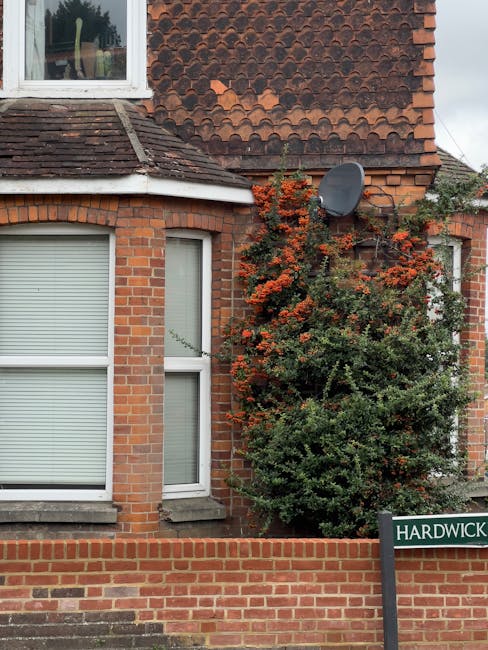
Gardeners Ardleigh Green guide to Ardleigh Green Road gardens
If you are trying to keep an Ardleigh Green Road garden looking neat, welcoming, and actually manageable through the year, you are not alone. Some gardens need a light tidy-up and a bit of structure; others need a proper rethink after a wet winter, a windy spell, or just one too many busy months. This Gardeners Ardleigh Green guide to Ardleigh Green Road gardens brings the practical stuff together: what tends to work locally, where people usually get stuck, and how to make better decisions without overcomplicating the whole thing.
Ardleigh Green Road gardens often deal with a fairly familiar mix of London garden conditions: compact plots, mixed light, boundary pressure from hedges or fences, and the usual battle with weeds, shade, and seasonal wear. The aim here is simple. Help you make the garden easier to live with, better to look at, and more resilient from one season to the next. No fluff. Just the useful bits.
Table of Contents
- Why Gardeners Ardleigh Green guide to Ardleigh Green Road gardens Matters
- How Gardeners Ardleigh Green guide to Ardleigh Green Road gardens Works
- Key Benefits and Practical Advantages
- Who This Is For and When It Makes Sense
- Step-by-Step Guidance
- Expert Tips for Better Results
- Common Mistakes to Avoid
- Tools, Resources and Recommendations
- Law, Compliance, Standards, or Best Practice
- Options, Methods, or Comparison Table
- Case Study or Real-World Example
- Practical Checklist
- Conclusion
- Frequently Asked Questions
Why Gardeners Ardleigh Green guide to Ardleigh Green Road gardens Matters
Gardens on and around Ardleigh Green Road are often more exposed to day-to-day wear than people expect. A front garden may need to look presentable from the kerb, while a back garden may have to serve as a family space, a quiet place to sit, a storage area, and a growing space all at once. That is a lot to ask from one patch of soil, especially when space is limited.
What makes this guide useful is that it focuses on the realities people face in local gardens, rather than the idealised version you see in glossy magazines. You may be dealing with patchy lawn, tired borders, a hedge that has got away from you, or a patio that is more slippery than stylish. Or perhaps the garden is fine, technically, but it just does not feel like a place you want to spend time in. That matters too.
In our experience, the biggest shift often comes when people stop asking, "How do I make it perfect?" and start asking, "How do I make it work better for my life?" That small change in thinking can save money, reduce stress, and produce a more coherent garden design. It is a bit like sorting a cluttered room: once the structure is right, everything else becomes easier.
There is also a seasonal side to this. Storms, dry spells, shade from mature trees, and fast-growing plants can all change how a garden behaves over the year. If you want a garden that stays attractive and usable, you need a plan that accounts for those shifts. That is where practical local gardening advice earns its keep.
How Gardeners Ardleigh Green guide to Ardleigh Green Road gardens Works
The best way to approach an Ardleigh Green Road garden is in layers. Start with the space as it is, then improve structure, then think about planting, and finally refine the details. A lot of people jump straight to buying plants. To be fair, that is the fun part. But it is rarely the first step that solves the real problem.
A sensible process usually looks like this:
- Assess the site - check sunlight, shade, wind exposure, soil condition, drainage, and access.
- Clear the obvious issues - weeds, broken edging, overgrown shrubs, dead patches, and blocked paths.
- Decide the purpose - family use, entertaining, privacy, easy maintenance, wildlife support, or a mix of all four.
- Choose a layout - lawn, beds, seating areas, screening, containers, or hard landscaping features.
- Select planting that fits the conditions - not just what looks nice in the moment.
- Set a maintenance rhythm - mowing, pruning, feeding, watering, and seasonal tidy-ups.
That sounds straightforward, and in many cases it is. But gardens are living systems, so the details matter. A border in afternoon shade needs a different plant mix from one that bakes in the sun. A narrow side return may suit vertical planting or climbing plants better than a wide bed. A windy corner may need tougher species and better shelter. Small decisions, yes, but they stack up fast.
If the garden needs more than a tidy-up, it can help to think in terms of services rather than tasks. For example, garden maintenance is useful when the whole plot needs regular care, while lawn care is the better fit when the grass is the main trouble spot. If hedges are the issue, hedge trimming in Ardleigh Green can restore shape and light without forcing you into a full redesign.
Key Benefits and Practical Advantages
Good garden work does not just improve appearance. It changes how the space functions. That is the real benefit, and it is easy to overlook when you are staring at a tired patch of grass or a border full of self-seeded chaos.
- Better kerb appeal - especially important for front gardens visible from Ardleigh Green Road.
- Less weekly stress - a sensible layout reduces the amount of ongoing work.
- Improved safety - clear paths, stable edges, and manageable growth reduce trip hazards.
- More usable space - even small gardens feel larger when the structure is right.
- Healthier planting - the right plant in the right place is half the battle.
- Seasonal resilience - gardens designed with wind, rain, and winter in mind tend to bounce back better.
There are also quieter benefits. A garden that is easier to maintain usually gets used more. That sounds obvious, but it is true. People sit outside more often, children play there more often, and the whole home feels a bit more open. The garden stops being a chore waiting in the wings.
And if you want a low-effort visual lift, ground-cover planting can be a smart move. It helps suppress weeds, softens bare soil, and adds year-round texture. You can get more ideas from this guide to ground cover plants for UK gardens.
Who This Is For and When It Makes Sense
This guide is for anyone with a garden on or near Ardleigh Green Road who wants a better result without guesswork. That includes homeowners, landlords, families, busy professionals, and older residents who want the garden kept tidy but not overworked. It also suits people who enjoy gardening but know they are falling behind a bit. Happens to all of us, really.
It makes particular sense if:
- the lawn is thinning or patchy;
- hedges are blocking light or growing unevenly;
- you have weeds returning faster than you can deal with them;
- patio and paths are slippery or stained;
- the garden feels cluttered, dark, or hard to use;
- you want privacy without making the space feel boxed in;
- you need a safer setup for children, pets, or visitors.
It also makes sense before a property sale, after tenant turnover, or following a period where the garden has simply been left a bit too long. A neglected garden does not always need a major overhaul. Sometimes it just needs a clean line, a proper cut-back, and a plan. If that sounds familiar, these neglected garden revamp ideas are worth a look.
On the other hand, if your garden already has good bones but poor usability, the answer may be targeted work rather than a full redesign. That is where a focused approach saves time and money.
Step-by-Step Guidance
Here is a practical route you can follow without making the job bigger than it needs to be.
1. Start with a clean observation
Walk the garden slowly and notice where your eye keeps landing. Is it the overgrown hedge, the weedy corner, the cracked paving, or the bare patch in the middle of the lawn? That first impression tells you what really needs attention.
2. Separate urgent issues from cosmetic ones
Urgent issues include unsafe branches, unstable fencing, drainage problems, and heavy overgrowth near paths or windows. Cosmetic issues are things like uneven edging or a tired planting scheme. Both matter, but not equally. Deal with the safety and structure first.
3. Decide whether to improve or replace
Some features can be rescued. Others are best replaced. A lawn with moderate wear may respond well to scarifying, feeding, and overseeding. A hedge that has become woody and unbalanced might need proper reshaping. A patio covered in grime may only need professional cleaning. You do not have to tear everything out to make a real difference.
4. Build around the strongest features
If the garden already has a mature tree, a decent fence, or a good seating area, use that as the anchor point. Then improve around it. This keeps the garden feeling coherent instead of piecemeal. If shade is the main constraint, consider planting schemes that tolerate lower light, such as evergreen climbers or shade-friendly containers. For tighter spaces, vertical gardening ideas can add greenery without eating up floor space.
5. Choose maintenance you can actually keep up with
This is the bit people skip, and then regret later. A high-maintenance design looks great for a month or two. After that, it becomes a burden. If you know you only want light upkeep, lean towards simple planting, tidy edges, and robust surfaces. If you enjoy gardening regularly, you can be more adventurous.
6. Set a seasonal cycle
Spring for cut-back and fresh growth. Summer for mowing, watering, and shaping. Autumn for clearing leaves and preparing plants. Winter for protection, pruning where appropriate, and sorting structures. That cycle keeps the garden from drifting.
If you prefer a more hands-off approach, support from a local team for lawn mowing, patio cleaning, or broader gardening services can make the whole routine far more manageable.
Expert Tips for Better Results
Here are the little choices that make the biggest difference in real gardens.
- Match plants to microclimates. One side of the garden may be warm and sheltered while another is windy and shaded. Treat them differently.
- Use layering for privacy. A hedge alone can feel heavy; hedge plus lower planting feels softer and more natural. The shape matters, not just the height.
- Keep edges sharp. Clean edges around lawns and borders instantly make a garden look more intentional. It is oddly powerful.
- Mix hard and soft surfaces. Too much paving feels stark. Too much planting can feel wild and hard to manage. Balance is the goal.
- Think about sightlines from inside the house. People forget this. The view from the kitchen window often matters more than the view from the gate.
- Prune for health, not only shape. Removing dead, crossing, or congested growth improves light and airflow. Plants usually respond better than they do to blunt cosmetic trimming.
Wind exposure deserves a mention too. A garden that looks fine on a still morning can look very different after a blustery afternoon. If you have exposed borders, read these tips for protecting plants from strong winds before you commit to tender planting.
And if ivy is creeping where it should not be, deal with it early. Left alone, it becomes one of those jobs that quietly doubles in size. This ivy removal guide gives a practical starting point.
Common Mistakes to Avoid
There are a few mistakes that show up again and again in local gardens. None are dramatic on their own, but they create extra work later.
- Choosing plants for appearance only. A plant that looks great in a shop may be wrong for your soil or light levels.
- Overcrowding beds. Small plants grow. Fast. Give them room, otherwise the border becomes a tangle.
- Ignoring drainage. A soggy corner can ruin roots and create mud, even if everything else is right.
- Letting hedges drift too long. A hedge trimmed little and often is easier to manage than one left for a massive correction.
- Using too many materials. More textures and colours do not automatically mean better design. Sometimes it just looks busy.
- Skipping safety checks. Loose paving, rotten timber, and unstable branches are not things to leave "for later."
One slightly funny truth: the garden always knows when you have been avoiding a job. It grows around your indecision. That is not a moral failing, just gardening being gardening.
Tools, Resources and Recommendations
You do not need a shed full of equipment to keep an Ardleigh Green Road garden in good shape, but having the right basics makes the work much easier. For a small or medium garden, a sensible toolkit often includes pruning shears, a rake, a sturdy spade, a hoe, a lawn mower, gloves, a watering can or hose, and a hedge trimmer if you have boundary planting.
For anyone building confidence, this guide to tools and supplies that make gardening easier is a good companion. It helps you think about what is genuinely useful rather than buying every shiny gadget in the aisle.
Other practical resources include:
- Weed control support - especially for paths, borders, and awkward corners. See these weed control tips.
- Low-maintenance design ideas - useful if you want a better-looking garden with less upkeep. These economical garden hacks are a sensible starting point.
- Privacy planting - for overlooked gardens and boundary screening. Fast-growing hedge ideas can help here.
- Shade solutions - particularly helpful where fences, trees, or buildings block light. Evergreen climbers for shady spaces are worth considering.
- Composting and green waste handling - a tidy, practical way to reduce garden waste. See organic waste transformation ideas.
For more involved work, it can make sense to pair your own efforts with professional support for landscaping, tree surgery, or fencing if the structure of the garden needs attention first.
Law, Compliance, Standards, or Best Practice
For domestic garden work, the most important thing is safe, sensible practice rather than paperwork for its own sake. That said, some standards and responsibilities matter. Overhanging branches, boundary disputes, drainage issues, and tree work can become sensitive very quickly if handled carelessly. It is always wise to be cautious about anything that might affect neighbours, shared boundaries, or access routes.
Best practice usually means:
- working safely around tools, ladders, and cutting equipment;
- checking the condition of trees and large shrubs before cutting;
- keeping pathways clear while work is underway;
- disposing of green waste responsibly;
- avoiding damage to neighbouring property or shared fences;
- using protective gear where appropriate.
If a job involves potential hazards, it is sensible to review a company's approach to insurance and safety and its health and safety policy. If you are arranging work through a service provider, it is also reasonable to check terms and conditions, payment and security, and pricing and quotes so there are no surprises later.
For residents who need accessibility-related reassurance or want to understand how a provider handles issues, the site's accessibility statement, complaints procedure, privacy policy, and cookie policy are useful trust signals. You can also read more about the team on the about us page and see how the service approach is framed in the wider gardening services offering.
Options, Methods, or Comparison Table
Not every garden needs the same solution. In fact, the quickest way to overspend is to choose the wrong type of work for the actual problem. Here is a simple comparison to help you think clearly.
| Approach | Best for | Pros | Watch out for |
|---|---|---|---|
| Regular maintenance | Gardens that are mostly in good shape but need routine care | Keeps the space under control, prevents bigger problems | Needs consistency |
| Targeted repair | One or two obvious issues like a lawn, hedge, or patio | Good value, focused results | May not solve wider design problems |
| Full refresh | Neglected or awkward gardens that no longer work well | Big visual and practical improvement | More time and planning required |
| Low-maintenance redesign | Busy households or landlords | Easier to keep tidy, better long-term fit | Less immediate variety if overdone |
For many Ardleigh Green Road gardens, the best route is a hybrid. A tidy lawn, neatened hedge lines, refreshed borders, and one or two better focal points often deliver a much better result than a dramatic makeover. Small wins add up. They really do.
Case Study or Real-World Example
Here is a realistic example based on the kind of garden people often describe. A homeowner on a busy stretch of road had a front garden that looked tired from the street and a back garden that was useful but uninspiring. The hedge was overgrown, the lawn had thin patches, and the patio had become dull and slippery after a wet spell. Nothing was catastrophically wrong. It just felt neglected.
The first step was simple: remove the obvious clutter, cut back the hedge to restore light, and clean the patio so the surface could actually be seen again. Then the lawn was assessed and treated as a repair job rather than a full replacement. A few borders were reworked using tougher planting and some ground cover to reduce future weed pressure. The side return, which had always felt awkward, was made neater with vertical planting and a more defined edge.
The result was not a show garden. That was never the point. It became a garden that looked cared for, felt easier to use, and took less effort to keep that way. A small but important change. The owner, to use their words, "stopped dreading the view from the window." That is the kind of outcome people are usually after, even if they do not say it out loud at first.
Practical Checklist
Use this checklist before and during a garden refresh on Ardleigh Green Road.
- Inspect the whole garden in daylight.
- Note any safety concerns first.
- Identify the sunniest and shadiest areas.
- Check which plants are thriving and which are struggling.
- Remove weeds, dead growth, and debris.
- Decide whether the lawn needs repair or regular mowing.
- Trim hedges before they become too bulky.
- Clear or clean hard surfaces where needed.
- Choose plants that fit the actual conditions.
- Plan for privacy, drainage, and seasonal protection.
- Set a realistic maintenance schedule.
- Review whether you need outside help for bigger jobs.
Expert summary: The best Ardleigh Green Road gardens usually are not the most complicated ones. They are the ones with a clear structure, the right plants in the right place, and maintenance that matches the owner's real life. That is the sweet spot.
If you are ready to move from planning to action, the easiest next step is to contact the team and talk through what your garden actually needs. A quick conversation can save a lot of second-guessing.
Get a free quote today and see how much you can save.
Conclusion
A good garden does not have to be complicated, and it definitely does not have to be perfect. The best Ardleigh Green Road gardens tend to be the ones that suit the people using them: tidy enough to feel calm, practical enough to live with, and attractive enough to make you smile when you walk outside with a cup of tea on a grey morning.
If this guide has shown anything, it is that small, well-judged improvements often matter more than dramatic gestures. Sort the structure, choose the right planting, keep an eye on maintenance, and tackle the awkward jobs before they grow legs. That is the real formula. Not glamorous, maybe, but it works. And in gardening, working matters more than showing off.
Whether you need regular upkeep, a clearer layout, or a complete garden reset, the key is starting with a plan that fits your space and your pace. The rest follows more naturally than people expect.
In the end, a garden should feel like a place you want to step into, not a list of jobs waiting for you. That little shift can change everything.
Frequently Asked Questions
What is the Gardeners Ardleigh Green guide to Ardleigh Green Road gardens?
It is a practical guide to helping local gardens look better, work better, and stay manageable through the year. It focuses on real-world tasks like hedge care, lawn upkeep, planting choices, patio cleaning, and seasonal maintenance.
How often should an Ardleigh Green Road garden be maintained?
That depends on the size and style of the garden. Many gardens benefit from weekly or fortnightly light upkeep in the growing season, plus more substantial seasonal work in spring and autumn.
What are the most common problems in local gardens?
The usual issues are overgrown hedges, patchy lawns, weed pressure, poor drainage, tired planting, and hard surfaces that need cleaning. Shade and wind exposure can also shape what works well.
Is it better to redesign a garden or just improve it?
If the garden has a good structure, improvement is often enough. If the layout no longer suits how you use the space, a redesign may be the better long-term choice. A lot depends on your goals and budget.
Can a small garden on Ardleigh Green Road still feel spacious?
Yes. Clear lines, smart planting, vertical features, and a limited number of materials can make a small garden feel more open and orderly. Good design often creates the feeling of space without changing the footprint.
What should I do first if my garden has become neglected?
Start by removing waste, cutting back overgrowth, and identifying any safety issues. Once the garden is under control, you can decide whether it needs a tidy-up, targeted repairs, or a more complete refresh.
Do I need professional help for hedge trimming or tree work?
If the hedge is tall, awkward, or hard to access, or if tree work involves larger branches or safety risks, professional help is sensible. It often saves time and reduces the chance of damage or injury.
What is the best way to reduce weeds long term?
Use a mix of prevention and maintenance: dense planting, good soil coverage, regular weeding before seeds spread, and proper edging. Ground cover plants can also help cut down bare soil and suppress regrowth.
How can I make my garden lower maintenance?
Choose robust planting, reduce overly fussy borders, keep surfaces simple, and use mulch or ground cover where suitable. A lower-maintenance garden is usually built on restraint, not on doing nothing.
What should I look for in a garden service provider?
Look for clear communication, sensible pricing, good safety practices, and a service range that matches your needs. It helps if the provider can explain the work in plain English and offer a realistic plan rather than vague promises.
Are patios and decking worth including in a garden plan?
Yes, if you want the garden to be used more often. Patios and decking can create seating areas, improve flow, and make the outdoor space feel more intentional. They do need cleaning and maintenance, though.
When is the best time to start garden improvements?
Spring and early autumn are often convenient because weather conditions are usually more workable and plants respond well. That said, urgent maintenance should be dealt with as soon as it is noticed.
Can I keep some jobs and outsource the rest?
Absolutely. Many people do exactly that. You might handle light planting and watering yourself while outsourcing mowing, hedge cutting, clearing, or larger repairs. A mixed approach is often the most practical one.